
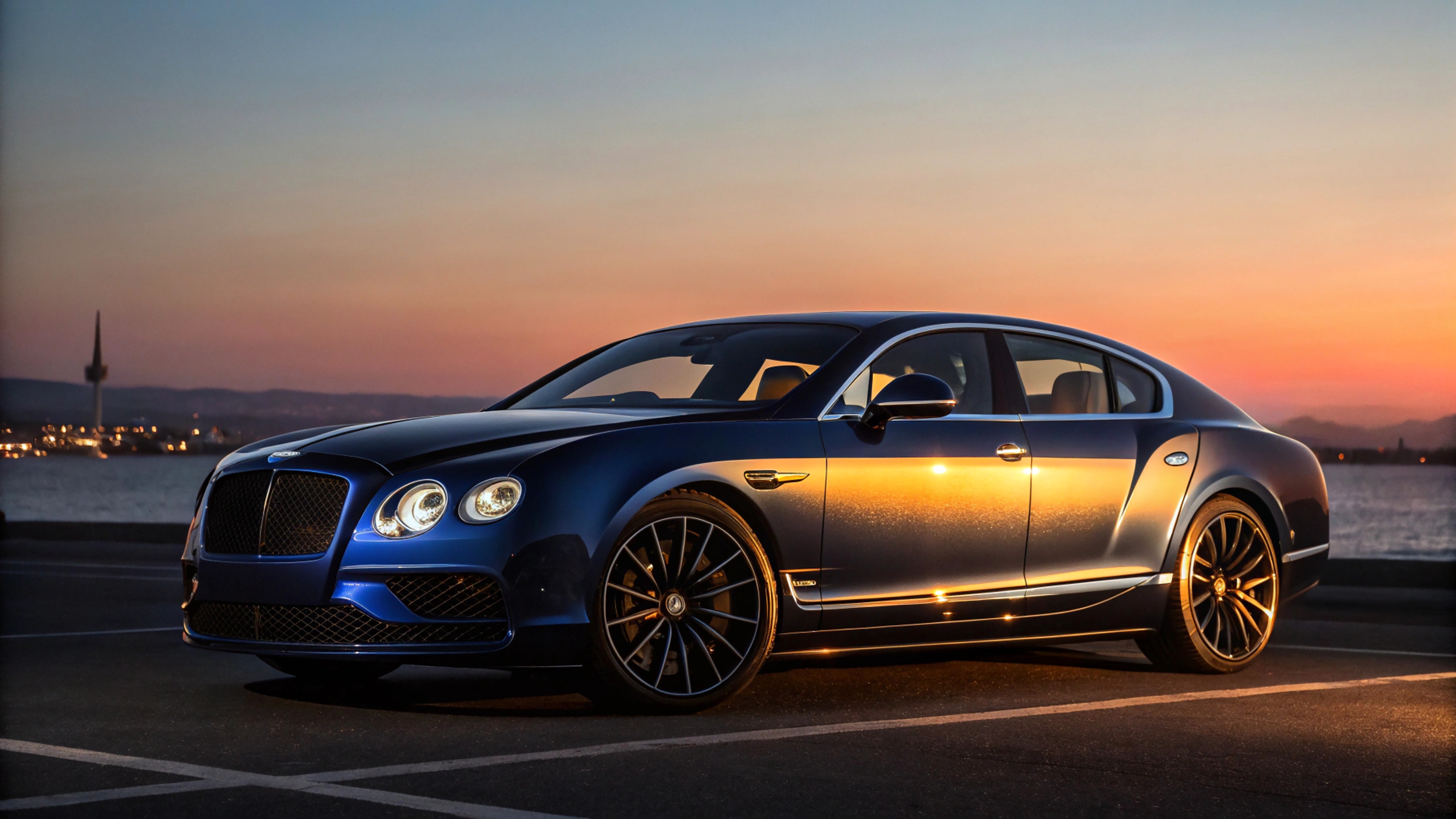
Most buyers approach premium vehicles the wrong way. They get pulled by design, brand, and emotion first, then try to justify the purchase later. That is backwards.
Looks Matter, But They Are Not Enough
In the premium vehicle segment, presentation has a strong effect. That is obvious. But a vehicle that looks impressive can still be overpriced, poorly maintained, or badly positioned in the resale market. Exterior appeal is not the same as value.
Smart evaluation starts with condition, service history, ownership logic, and realistic pricing — not just visual impact.
A premium badge does not guarantee a premium decision.
The Real Questions Buyers Should Ask
Instead of asking only whether the car feels luxurious, buyers should ask whether the condition matches the price, whether the maintenance history is credible, and whether the model has healthy resale strength in the actual market.

What Should Be Evaluated Carefully
- Verified service and maintenance history
- Current market value versus asking price
- Ownership cost after purchase
- Brand-specific resale performance
- Mechanical condition, not just cosmetic finish
Buyers often overfocus on model year while ignoring the bigger issue: how the vehicle was used, maintained, and priced. A newer vehicle is not automatically the better buy.
Emotion Needs a Filter
Premium vehicle purchases are emotional by nature. That is normal. The mistake is letting emotion drive the decision completely. The stronger approach is simple: want the car, but evaluate it like an investor.
Lanash Group supports clients who want premium vehicle choices with stronger logic, better filtering, and more confidence before they commit.